 RTP and fairness
What the official RTP range can actually tell you
The number is useful because it marks the official return frame without pretending to decode the next live choice. The stable public frame is compact: Galaxsys lists Tower Rush as a Fast or Turbo game, shows RTP at 96.17-97%, and gives the release date as 28 February 2024.
Because the fact set is narrow, it becomes easier to separate what can be checked from what should never be inflated. That is why the tables on these pages stay close to the official frame.
Long range only
RTP says something about volume over time, not about today's next Build.
Context matters
The pace of Tower Rush can make a solid-looking number feel more immediate than it is.
| Official RTP | 96.17-97% |
|---|---|
| Provider | Galaxsys |
| Category | Fast / Turbo game |
| Fairness angle | Long-range return, not short-round prediction |
| Page focus | How to read the number beside real play |
Why RTP cannot answer the next-floor question
Short rounds create the temptation to turn a long-range measure into a short-range belief. The fairness page matters because a clean number is easy to misuse when the game itself is quick and emotional. Tower Rush works best when the page keeps the live decision visible instead of turning the round into noise.
That matters because the player always sees a current value and a next step. The clean question is whether another floor still serves the session or only extends exposure.
Fairness sits in the provider layer, but not only there
Provider information helps anchor the game math and feature naming, while the platform around the game still shapes the real session. The provider layer anchors the product facts: category, RTP range, release date and the names of the bonus floors all belong here.
Knowing the provider side helps readers separate confirmed game information from the operator promises that may surround it on another platform.
Bonus floors change feeling more than they change the meaning of RTP
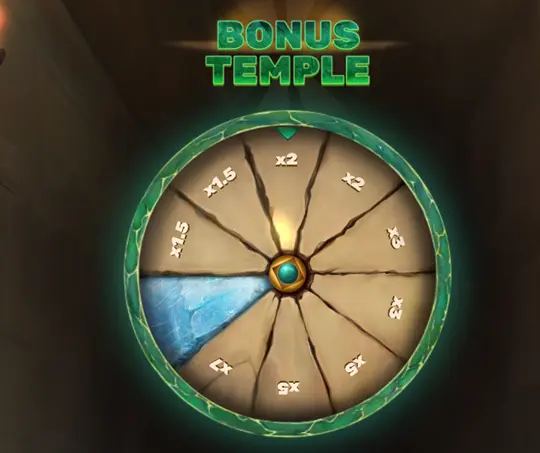
Named features can make a round feel special without changing the basic limit of what a long-range return figure is meant to describe. Frozen Floor, Temple Floor and Triple Build are the named pace-breakers in Tower Rush, so they deserve context instead of hype.
They can change how a round feels, but they do not cancel the need for limits or a clean exit. The right reading is still whether the next step fits the session.
You still need operator transparency around the number
Rules pages, limits and payment terms help the player use fairness information in a real setting instead of in a vacuum. The site that opens Tower Rush matters almost as much as the game itself because payments, limits and local availability sit on the operator side.
A clean game page helps, but it never replaces checking licence fit, account rules and money handling before the session starts.
Read claims carefully when the game is marketed as fast
Speed can make any fairness claim sound more actionable than it really is, so the safest habit is to keep theory and session limits tied together. Good decisions in Tower Rush usually come from limits chosen before the round, not from emotion formed during it.
When the current value already matches the purpose of the round, stopping is part of the plan. When it does not, the next floor should still have a clear job to do.
FAQ
What is the short version of this RTP page?
Use the 96.17-97% figure as long-range context and keep short-round decisions separate from it.
Do bonus floors make RTP more actionable?
No. They change round texture, not the basic job of the return figure.
Where should I go after this page?
Provider and Exit strategy are the best follow-up pages here.